Project Overview
ISEB provides digital entrance examinations used by independent schools during their admissions process.
For more than eight years the digital platform itself had seen little structural or visual evolution. As new EdTech competitors entered the market with more modern tools.
This shift was reflected in declining subscription numbers, signalling an urgent need to reassess how the platform supported the wider examination process.
Problem
Applicants faced fragmented journeys across multiple organisations
Systems were limited and required manual coordination
Increased friction in a high-stress process
Solution
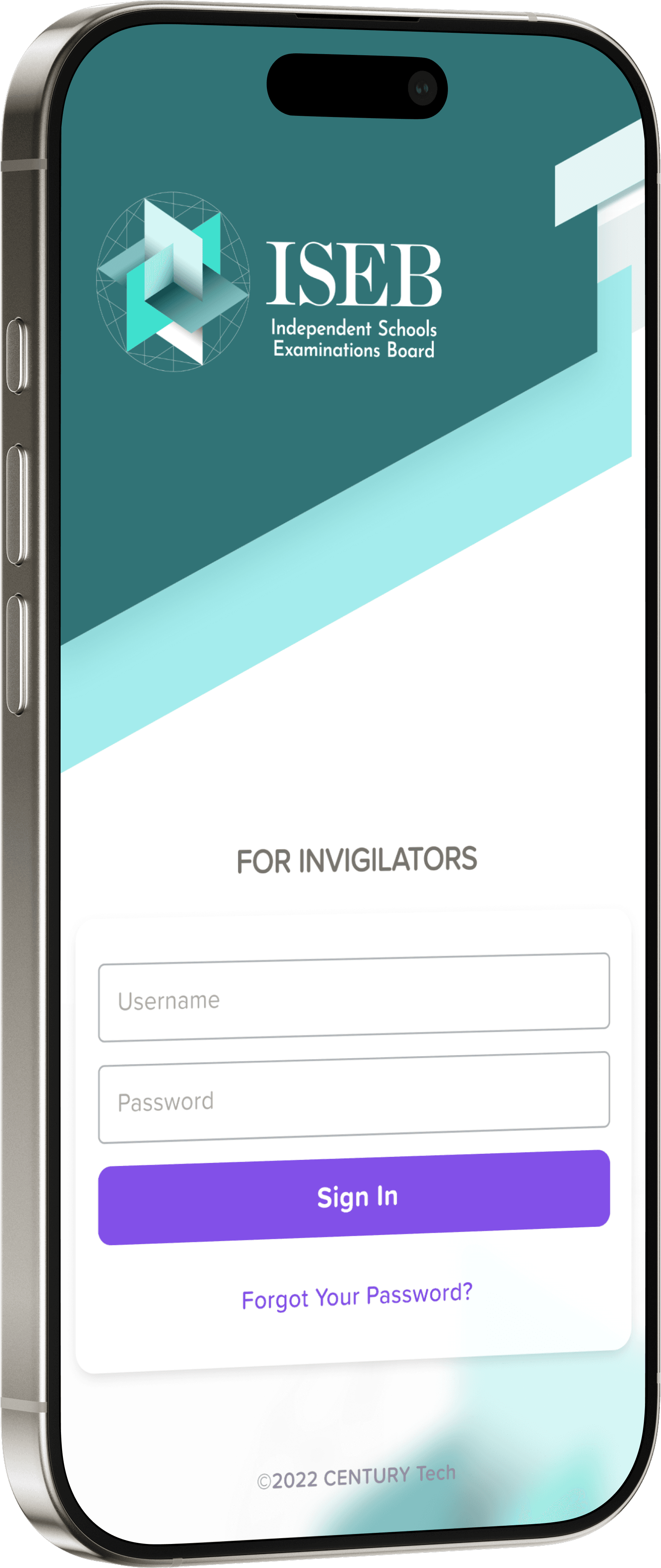
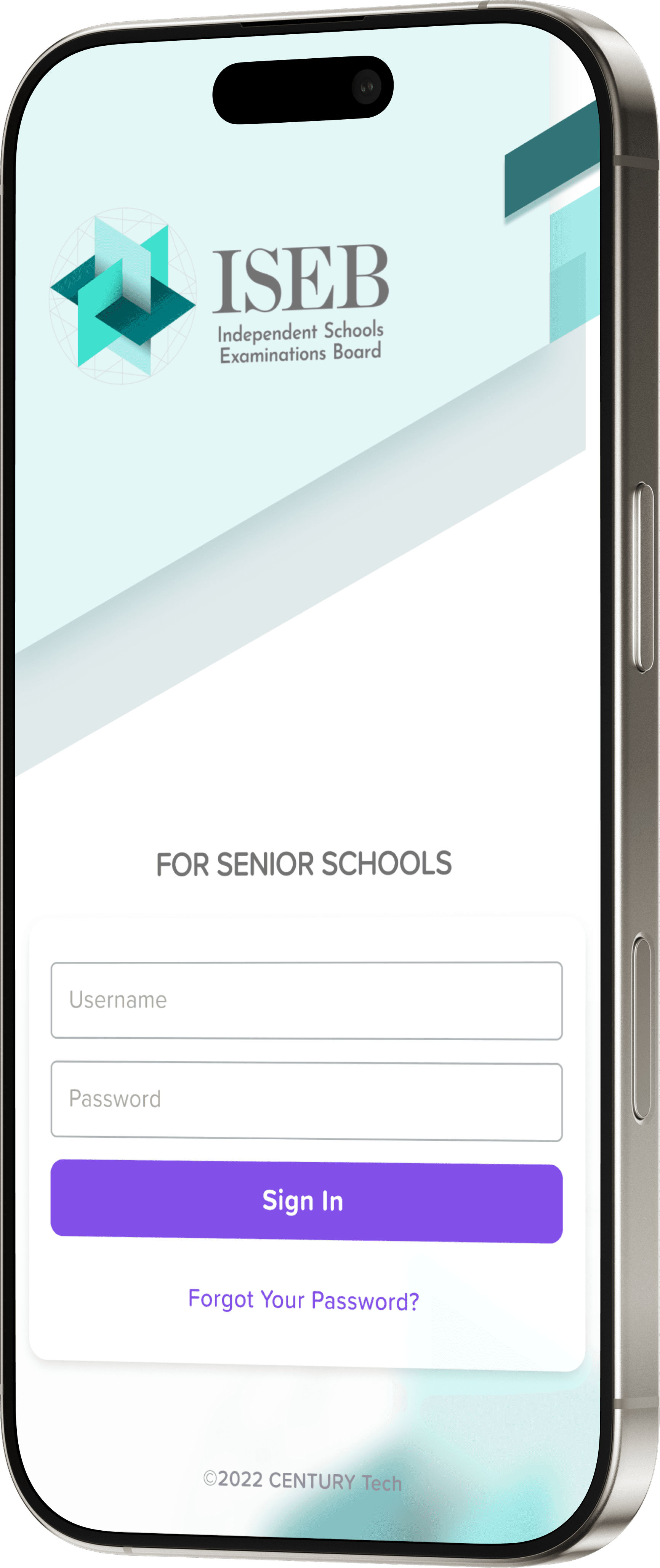
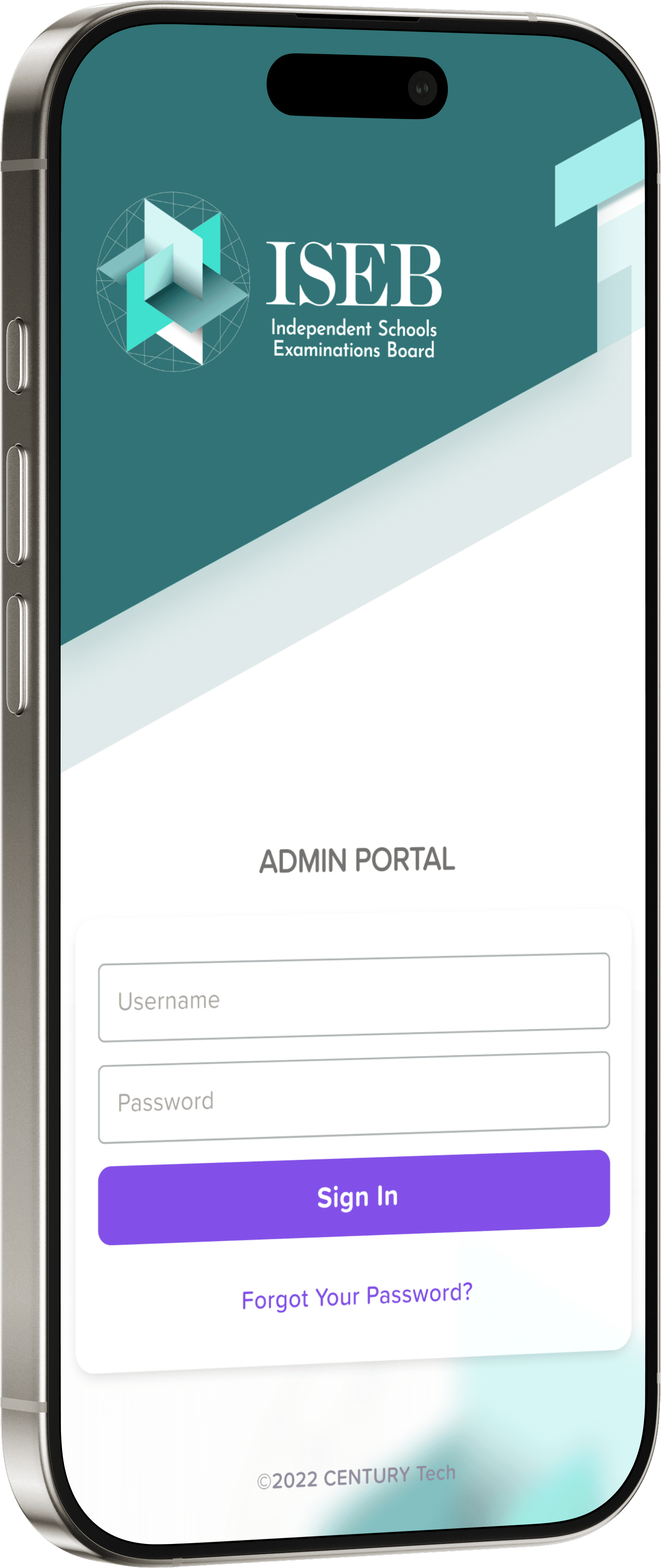
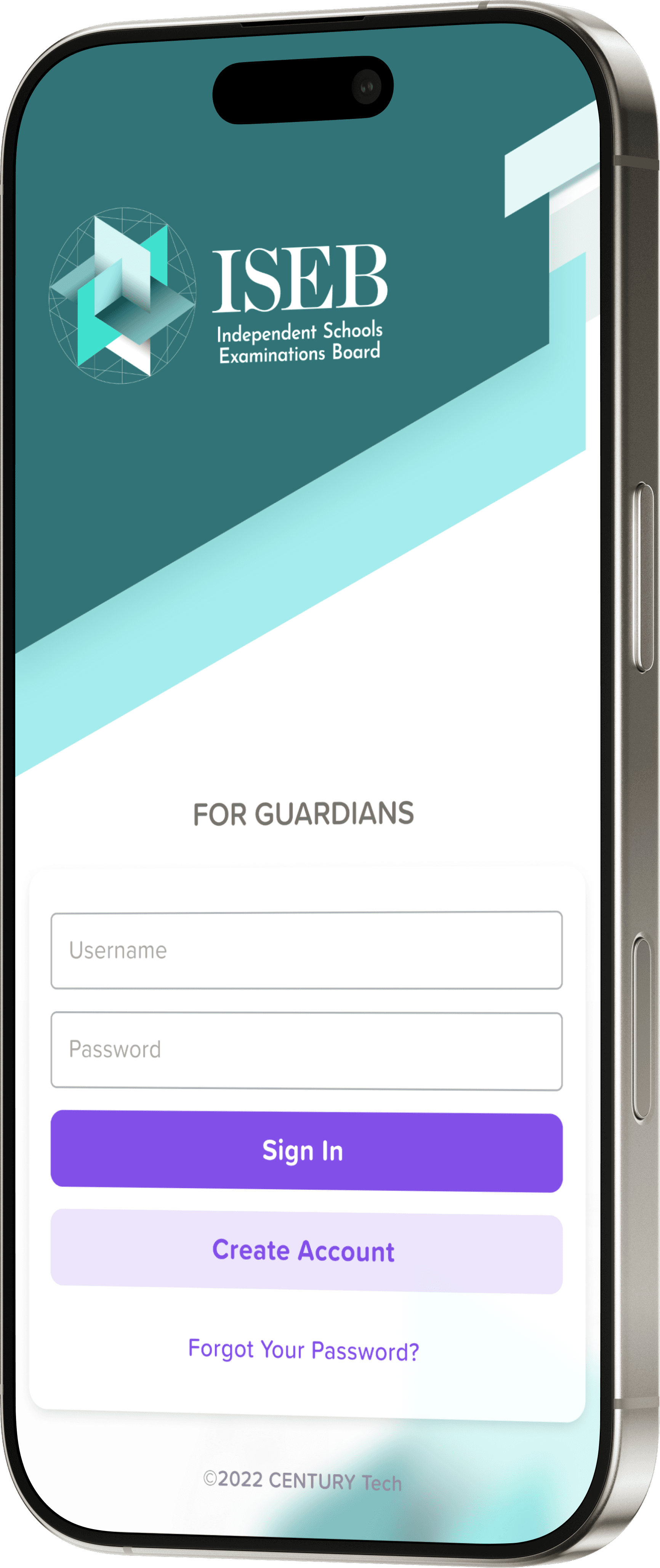
The proposed direction introduced role-based access for the key participants involved in the examination process — applicants, guardians, invigilation centres, senior schools and ISEB administrators.
Current Workflow
EXPECTED PLATFORM FLOW
Guardian registers applicant with Senior School
Assessment sitting arranged
Applicant completes assessment
Senior School reviews results
Admissions decision communicated
ACTUAL OPERATIONAL WORKFLOW
Communication between schools, invigilation centres and administrators relied heavily on manual processes, including email exchanges, spreadsheet exports and manual result declarations.
Research findings
Discovery research highlighted several structural challenges within the examination ecosystem.
Application Overlap
No tracking for single applicants multiple school applications.
Manual Processes
Manual applicant onboarded and exam administration via external invigilation centres.
Communication Gaps
Invigilator have no access to testing tools, requiring exam-related information to be exchanged through email or phone calls.
Operational Burden
Invigilation centres assign on average 1,5 staff members to manage examinations with no compensation.
Post-Exam Complexity
Test declarations submitted manually for each applicant per school via email.
High-Stress Environment
The high-stakes test cause pressure on applicants, leading to multiple health and administrative issues.
Multiple Test Attempts
Some students were able to take the same test multiple times by applying to different schools, bypassing limited tracking
Limited System Access
ISEB administrators had no interface to oversee the process, and guardians had no direct access to exam information.
Rethinking the Platform Infrastructure
Rather than simply improving the applicant interface, the project explored how the platform could better support the entire examination ecosystem.
This required shifting the platform from a single-user testing tool to a shared infrastructure supporting multiple organisations.
Expanding the system actors
The first step was recognising the full set of stakeholders involved in the admissions process, beyond applicants.
Mapping these roles revealed how responsibilities and communication flowed between organisations, highlighting opportunities to centralise key processes within the platform.
External
Guardian
Applicant
Institutional
Senior School
Invigilation centre
System
Admin
Temporary exam interface
(access via code)
Temporary exam interface
(access via code)
Guardian portal
Onboarding
Onboarding
Applicant Profile
core system record
Results
Senior School portal
Assessment
Special
requirements
Organisation
Onboarding
Assessment player
Onboarding
Scheduling
Invigilation portal
Organisation
onboarding
Admin
Introducing a shared applicant record
The platform architecture was restructured around a shared applicant profile and introduction of role-based permissions.
By introducing a shared data structure, the platform reduced duplication and enabled organisations to collaborate within a single system.
Supporting the full examination workflow
With the new platform infrastructure in place, the system could support the operational flow of examinations across institutions.
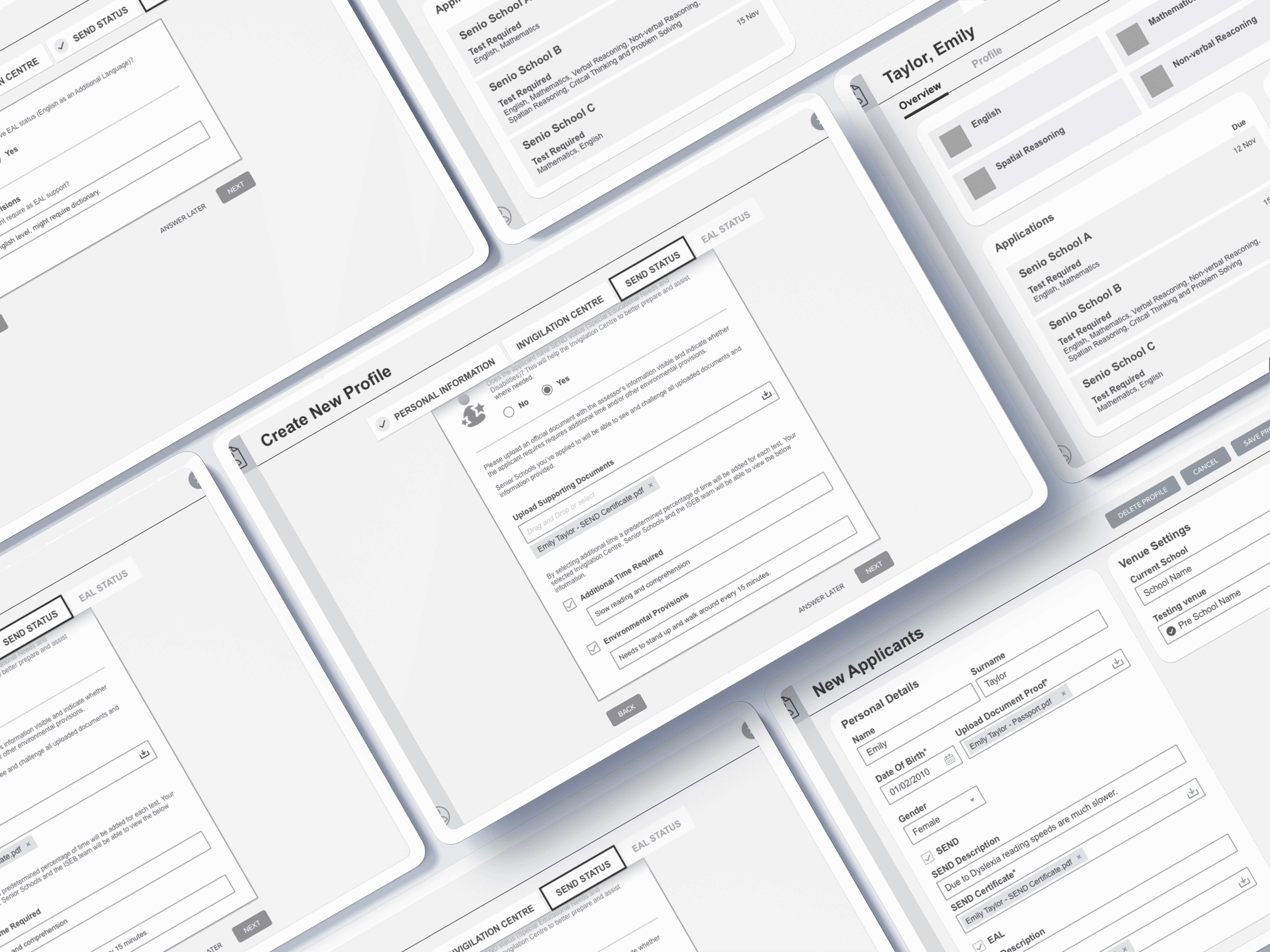
Guardians create an applicant profile and select an invigilation centre
Schools connect applicants to their organisation
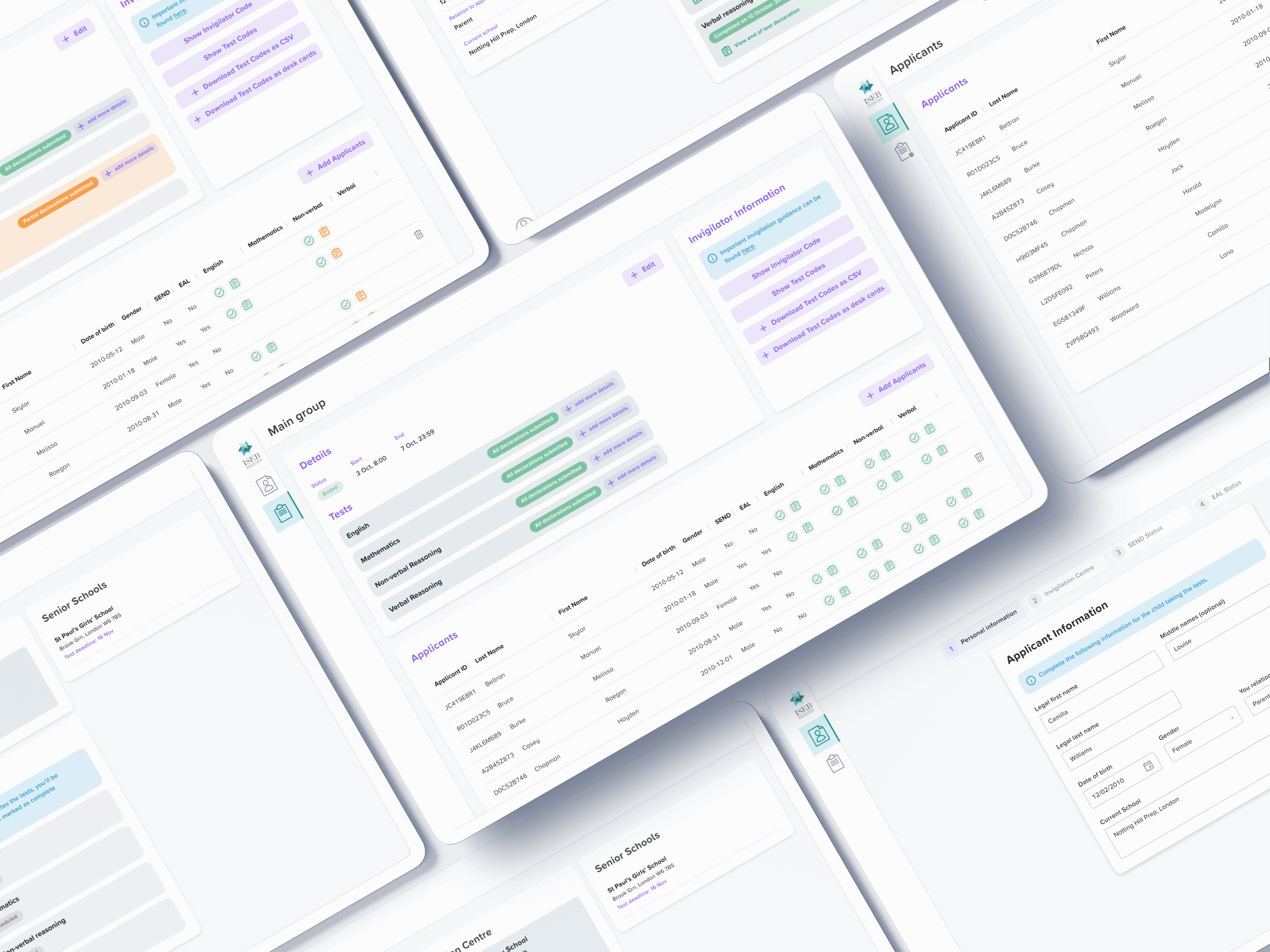
Invigilation centres manage assessment scheduling and session logistics
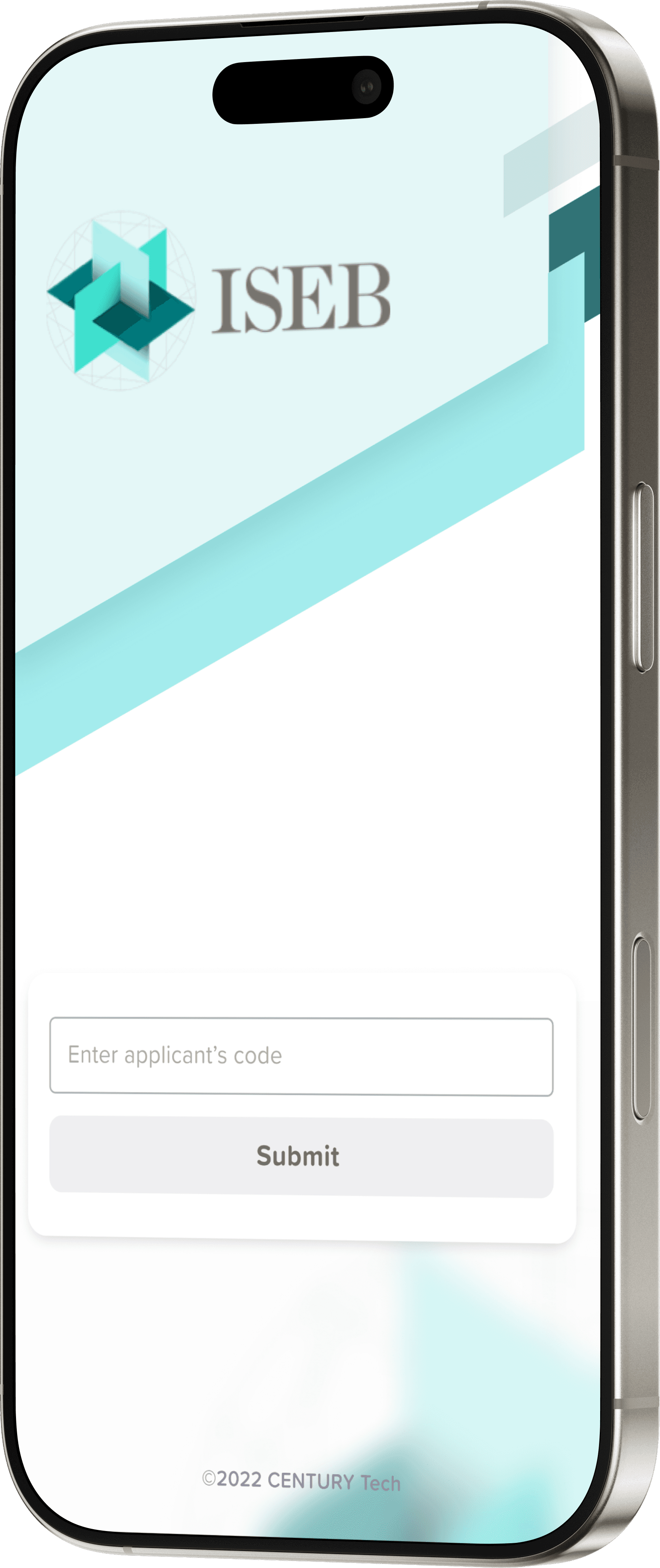
Applicants access the assessment player with temporary assess code under invigilator supervision.
Following completion, invigilators submit assessment declarations
Results are automatically made available to schools through the platform
This structure allows the entire assessment lifecycle—from applicant registration to result distribution—to be coordinated within a unified system.